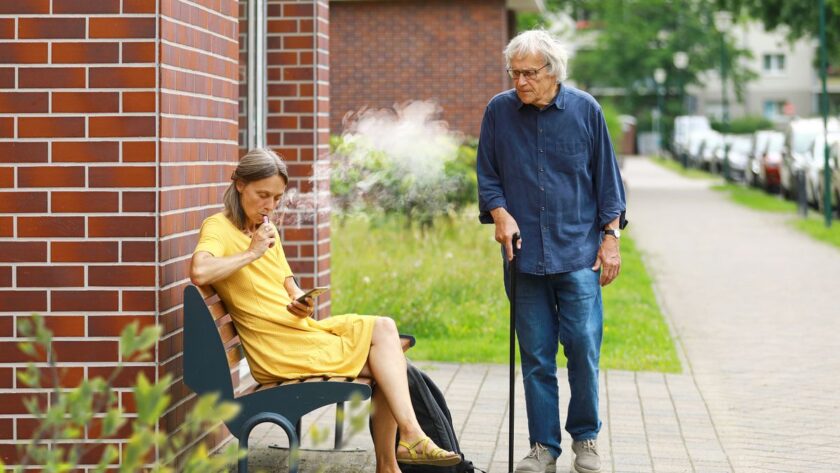
Skin ageing is influenced by a complex interplay of genetic, environmental, and lifestyle factors. Ultraviolet radiation from sun exposure, diet, sleep quality, chronic stress, and substance use all leave their mark on the skin over time, and the visible consequences accumulate gradually in ways that are often attributed to age itself rather than to the specific behaviours that have accelerated the process. Vaping is not among the most heavily studied of these skin ageing factors, but the biological mechanisms through which nicotine and the other components of vaping aerosol affect skin are sufficiently well understood to draw clear conclusions about what regular vapers should expect.
The good news is that vaping is substantially less damaging to skin than cigarette smoking, which is one of the most potent accelerators of visible skin ageing documented in the medical literature. The bad news is that vaping is not skin-neutral — the nicotine it delivers has specific and measurable effects on skin biology that matter over time. Understanding these effects allows vapers to take practical steps to mitigate them.
How Cigarette Smoking Damages Skin: The Baseline for Comparison
The skin effects of cigarette smoking are extensively documented and provide the most useful baseline for assessing what vaping does and does not do to skin. Smokers age visibly faster than non-smokers: dermatologists can often identify a smoker reliably from skin appearance alone, and controlled studies comparing identical twins with different smoking histories have demonstrated that the smoking twin consistently shows more pronounced signs of skin ageing, including deeper wrinkles, more pronounced nasolabial folds, and a generally duller, more uneven skin tone.
Cigarette smoking damages skin through several parallel mechanisms. The combustion products in smoke — including free radicals and reactive oxygen species — cause direct oxidative damage to the structural proteins of the skin, particularly collagen and elastin. These proteins form the scaffolding of the dermis and their degradation is the primary driver of wrinkle formation and skin sagging. Cigarette smoke accelerates the activity of matrix metalloproteinases, enzymes that break down collagen, while simultaneously suppressing the production of new collagen by fibroblasts.
Carbon monoxide in cigarette smoke displaces oxygen from haemoglobin, reducing the oxygen delivery to skin tissue. The skin is one of the body’s peripheral tissues and receives a lower priority for oxygen delivery than vital organs under conditions of reduced supply. Chronic low-grade hypoxia from smoking produces the characteristic sallow, greyish complexion seen in heavy smokers, reflecting inadequate oxygenation of the skin’s microcirculation.
What Vaping Removes from the Equation
Vaping eliminates the combustion-specific components that drive the most severe skin effects of smoking. There is no carbon monoxide, no free radical burst from burning tobacco, no direct contact between the skin and smoke particles, and no tar deposition. The dramatic skin ageing effect of smoking — the so-called smoker’s face described in dermatological literature — is primarily a consequence of these combustion-specific components rather than of nicotine alone.
Vapers who switch from cigarettes generally report improvements in skin appearance within months of making the switch. The complexion tends to brighten as carbon monoxide-mediated hypoxia resolves and skin oxygenation improves. The rate of collagen degradation decreases without the continuous oxidative assault from combustion products. These improvements are real and reflect a genuine reduction in the skin-damaging mechanisms from eliminating combustion.
What Vaping Still Does to Skin
Despite removing combustion-specific effects, regular vaping continues to affect skin through several mechanisms tied to nicotine itself and to the components of vaping aerosol.
Nicotine is a potent vasoconstrictor — it causes the narrowing of blood vessels throughout the body, including the small capillaries that supply the dermis with oxygen and nutrients. Skin vasculature is particularly responsive to nicotine: within minutes of nicotine delivery, cutaneous blood flow decreases measurably. For occasional vapers this effect is transient and inconsequential. For regular vapers who maintain chronically elevated nicotine levels, the repeated vasoconstriction produces sustained reduction in dermal perfusion. Over years, this reduced supply of oxygen, glucose, and growth factors to the skin’s cells impairs their regenerative capacity and accelerates the visible signs of ageing.
Nicotine also directly affects fibroblast function. Skin fibroblasts are the cells responsible for producing collagen and elastin, and they express nicotinic acetylcholine receptors through which nicotine acts. Research has shown that nicotine exposure reduces fibroblast proliferation and suppresses collagen synthesis, creating conditions for progressive loss of skin structure regardless of the delivery mechanism. A vaper maintaining blood nicotine levels comparable to a moderate smoker through a pod device is exposing their skin fibroblasts to the same nicotine concentrations as the smoker, even without the additional combustion-specific damage.
Propylene glycol and vegetable glycerin in e-liquid aerosol are hygroscopic — they draw moisture from surfaces they contact, including the skin and the mucous membranes of the airways. Heavy vapers who exhale aerosol regularly may experience mild but cumulative dehydration of the skin around the mouth and face through this mechanism. This is a more modest effect than the direct collagen damage from nicotine but contributes to the overall picture of skin impact from regular vaping.
Oxidative Stress From Vaping Aerosol
While vaping aerosol lacks the concentrated free radical load of cigarette smoke, it is not entirely free of oxidative compounds. Research has identified reactive oxygen species and aldehydes in e-cigarette aerosol, generated by the heating of e-liquid at coil temperatures and from the thermal decomposition of some flavour compounds. The quantities involved are substantially lower than those in cigarette smoke — studies comparing the two typically find aerosol oxidative load to be five to ten percent that of cigarette smoke — but they are not zero.
For skin specifically, the relevant question is whether sufficient quantities of these oxidative compounds reach dermal tissue. The primary route of exposure for systemic compounds is through the lungs, and the quantities reaching peripheral tissues including the skin through this route are modest. Direct contact of aerosol with facial skin during exhalation provides some direct exposure, but again at levels substantially below those from cigarette smoke. The cumulative oxidative stress on skin from regular vaping is likely real but modest compared to smoking.
The Collagen-Disrupting Role of Nicotine in Wound Healing
One of the most clinically concrete demonstrations of nicotine’s effect on skin collagen is its well-documented impairment of wound healing. Surgeons in specialties involving extensive skin repair — plastic surgery, reconstructive surgery, skin graft procedures — have long observed that nicotine users experience slower healing, higher rates of skin graft failure, and increased risk of wound dehiscence compared to non-users. These outcomes are primarily attributable to nicotine rather than combustion products, as confirmed by studies comparing outcomes between smokers, nicotine patch users, and non-nicotine users.
The mechanism involves the vasoconstriction-mediated reduction in blood supply to healing tissue, nicotine’s direct suppression of the fibroblast activity needed to deposit new collagen at wound sites, and impaired immune cell recruitment to healing areas. Surgeons typically advise patients to stop all nicotine use for at least four weeks before and several weeks after elective procedures involving skin repair. Vapers should be aware that this advice applies to them as much as to smokers.
Practical Steps to Protect Skin While Vaping
For vapers who want to manage the skin effects of their habit, a combination of targeted skincare and nicotine management approaches makes a meaningful difference to long-term outcomes.
Hydration is the most impactful daily intervention. Drinking adequate water throughout the day compensates for the dehydrating effects of propylene glycol and vegetable glycerin on mucous membranes and skin, and supports the skin’s own moisture balance. Using a quality moisturiser with humectant ingredients such as hyaluronic acid and glycerin, applied to damp skin, helps maintain skin hydration independently of internal water intake. The combination of internal and topical hydration approaches produces better results than either alone.
Antioxidant skincare addresses the oxidative component of aerosol exposure. Vitamin C serums applied in the morning provide direct antioxidant protection to the skin surface and also stimulate collagen synthesis — counteracting two of the mechanisms through which vaping-associated nicotine impairs skin. Vitamin E and niacinamide (vitamin B3) are additional antioxidant actives with strong evidence for skin protection and collagen support.
Sun protection is the most evidence-based intervention for preventing skin ageing regardless of vaping status, and its importance is amplified for vapers whose skin is already under additional vasoconstriction-mediated stress. Daily SPF thirty or above, applied as the final step of morning skincare, is the foundation of any serious anti-ageing skincare approach.
Nicotine reduction, if achievable, is the most direct way to address the vaping-specific skin effects. Stepping down from twenty milligrams per millilitre to twelve milligrams or lower reduces the vasoconstriction and fibroblast suppression effects proportionally. For vapers who are also reducing nicotine for other health or financial reasons, the skin benefit is a genuine additional incentive that some people find motivating.